2026-10-06 · Keanu Silva
Lowering High Electricity Bills from AC Use in Ewa Beach
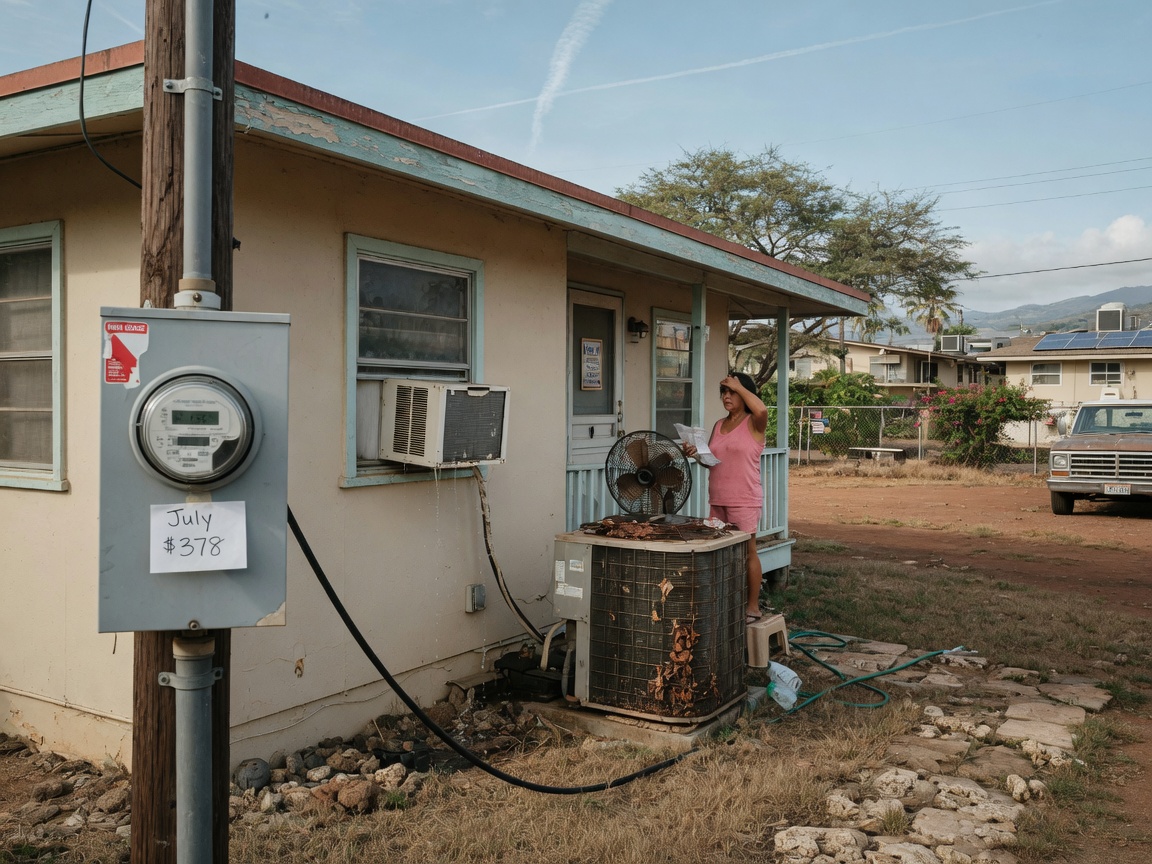
Ewa Beach residents often see meaningful drops in monthly electricity costs from AC use by combining targeted maintenance with upgrades that match the area's constant warm temperatures and steady trade winds. Homes in neighborhoods like Ocean Pointe and Ewa Villages, many built in the last few decades with standard central systems, run units harder due to year-round cooling demands in Honolulu County. Addressing efficiency directly at the equipment level and usage patterns produces the most reliable results without relying on unproven shortcuts.
How Tropical Conditions and Trade Winds Increase AC Loads
Ewa Beach sits in a tropical climate where temperatures stay warm enough that AC systems rarely shut off completely, especially in single-story homes near Ewa Beach Park or West Loch Golf Course. Trade winds help on some days but can push humid air through older ductwork in Ewa Villages properties, forcing compressors to work longer cycles. Soil conditions near the coast also contribute to higher indoor humidity that AC units must remove continuously. This combination drives up kilowatt-hour usage in homes across Hoakalei and West Loch more than in drier inland spots. Homeowners notice the difference when comparing bills from summer months against those from Kapolei or Waipahu neighbors with similar square footage but different wind exposure.
Maintenance Steps That Reduce Running Time
Regular filter changes and coil cleaning keep airflow steady so the system does not overcompensate on hot afternoons. Checking refrigerant levels and tightening electrical connections prevents the unit from drawing extra power during peak operation in Ocean Pointe subdivisions. Scheduling service before the wetter months helps catch issues that would otherwise extend run times. AC Maintenance visits focus on these tasks with attention to how salt from nearby ocean air accelerates wear on outdoor coils. Technicians familiar with Ewa Beach housing stock can spot duct leaks common in homes built near Fort Weaver Road that waste cooled air before it reaches living spaces.
Smart Controls That Match Local Usage Patterns
Installing a smart thermostat allows scheduling that accounts for trade wind shifts and lower evening loads typical in Ewa Beach. These devices learn when residents are home and adjust setpoints to avoid running full blast during the warmest midday hours. Pairing the thermostat with zoning in larger Ewa Villages homes prevents cooling unused rooms. Smart Thermostat Installation integrates with existing central systems without major rewiring. Residents in West Loch report more predictable bills once the controls adapt to the area's consistent humidity rather than generic mainland settings.
Salt Air and Humidity Fixes That Protect Efficiency
Salt carried on trade winds corrodes outdoor components faster in Ewa Beach than in inland Honolulu County locations, leading to reduced capacity and longer run times. Sealing duct joints and adding proper insulation around lines combats moisture infiltration common near Ewa Beach Community Park. How Salt Air Speeds Up AC Problems in Ewa Beach Homes explains the specific corrosion patterns seen on units serving Hoakalei properties. Addressing these factors early keeps the system operating at designed efficiency instead of compensating with higher energy draw. Homeowners also benefit from checking condensate drains regularly to avoid backups that force extra dehumidification cycles.
Short Cycling and Replacement Decisions
Short cycling during rainy periods wastes energy by repeatedly starting the compressor without completing full cooling cycles. Fixing AC Short Cycling During Ewa Beach Rainy Season outlines diagnostics for systems in Ocean Pointe and Ewa Villages. When units reach the point where repairs no longer restore original efficiency, AC Installation of properly sized equipment matched to local wind and humidity loads becomes the practical next step. Technicians at Ewa Beach Kona Breeze HVAC evaluate existing ductwork and insulation before recommending changes so the new system does not repeat the same energy waste patterns.